In previous blogs we created a portfolio site for free using different providers, in this, I am going to explain what is SSL certificate is, why we use it and how we can it to our portfolio website.
Netlify adds the SSL certificate for free by default, so we do not have to add it manually if it is not added or face any issues with this, you can follow this blog and add your own SSL certificate
What is an SSL certificate?
SSL certificates enable HTTPS from HTTP, which is more secure. SSL certificate creates an encrypted layer between the client and the server. The encrypted data can be decrypted only by the server to which you are actually sending it.
Why do we use an SSL certificate?
It enables the website’s identity and creates a secure channel. It keeps users’ data secure, verifies the website’s ownership and prevents attackers from creating a fake clone of a website.
How to add an SSL certificate to our portfolio site?
I am using zerossl.com for a free SSL certificate, so you can register on ZeroSSL before going to the next steps
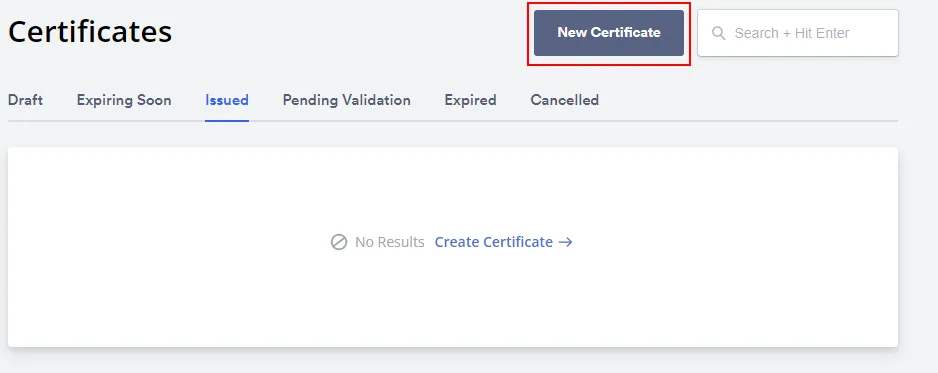
Step 1: Login to ZeroSSL and click on Certificates > New Certificate
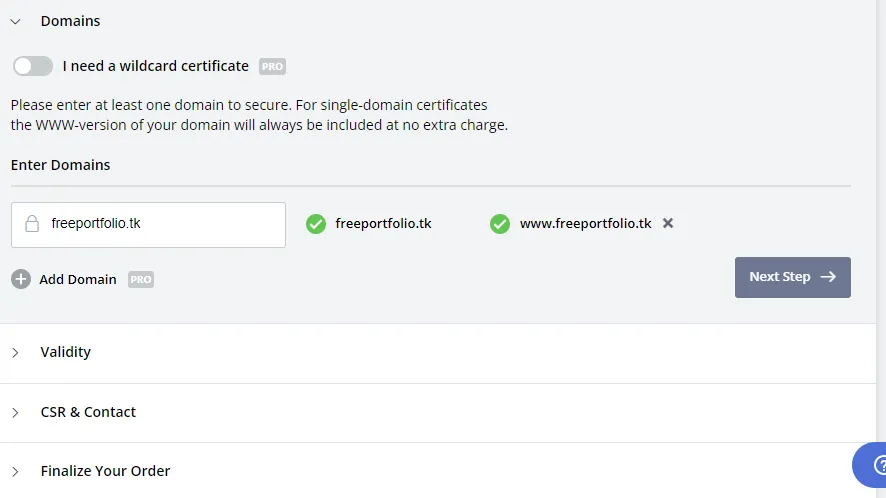
Step 2: enter your domain name to which you want a certificate, then click on Next Step
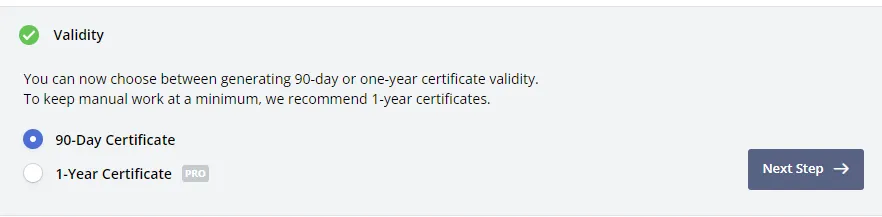
Step 3: For a free SSL certificate change the Validity from 1-Year to 90-Day then click on Next Step
Step 4: Download the Auth file from here
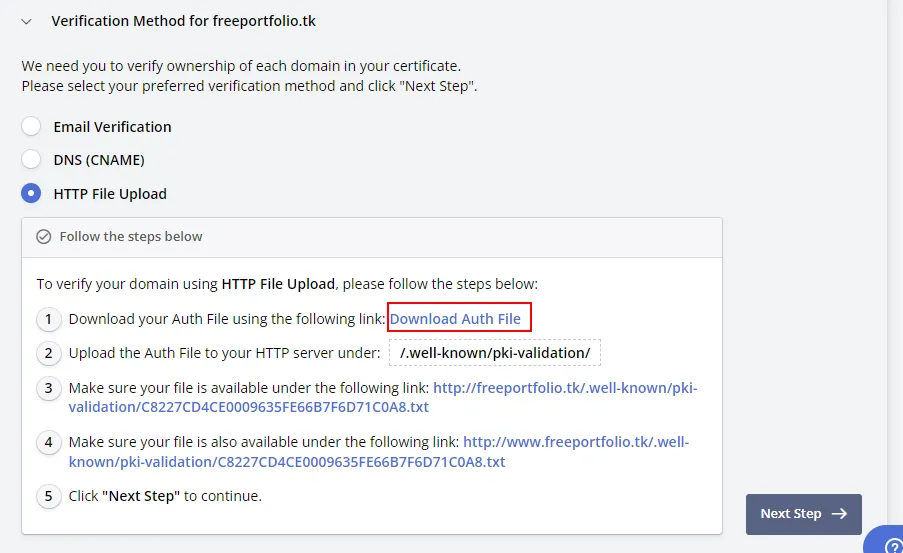
Step 5: Use the downloaded Auth file on your site
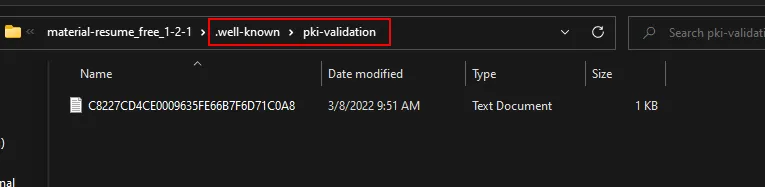
Create .well-known folder inside your website’s template parent directory, then create a pki-validation folder inside it. Copy and paste the downloaded Auth file to insert pki-validation as shown in the below picture.
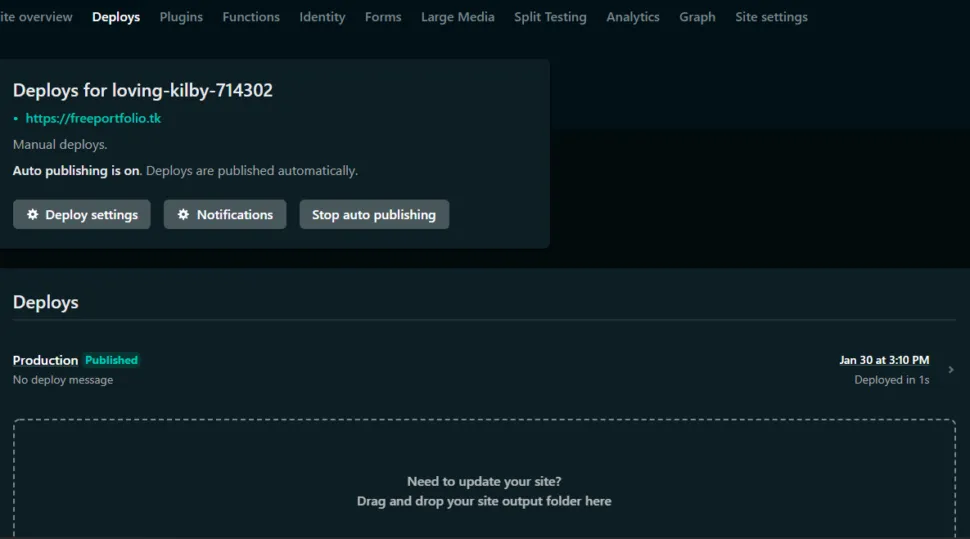
Step 6: Deploy the updated template on Netlify by selecting the website and navigating to the Deploy tab.
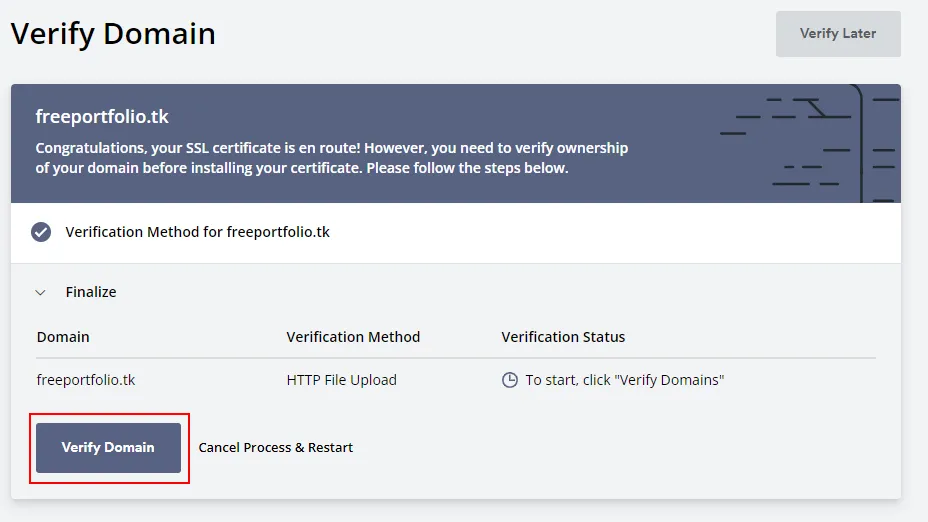
Step 7: After the successful deployment click on Verify Domain
By following the above steps you can add a free SSL certificate to your portfolio site. If you find this helpful please do share it with your friends. If you have any doubts feel free to drop a comment